



India’s Housing Supply Surges 10.1% YoY as Property Prices Rise 14.1% Across Major Cities
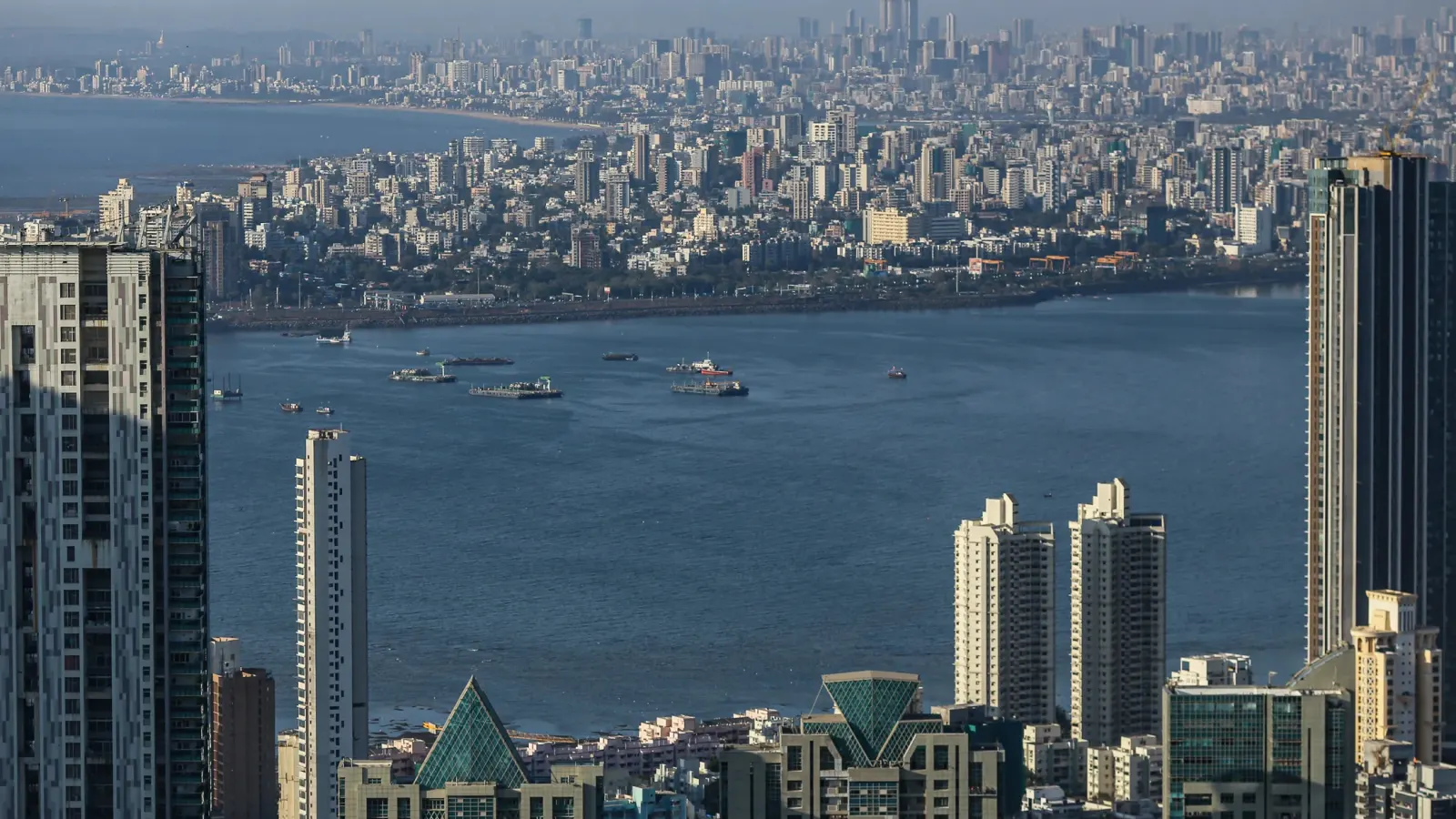
India’s residential real estate market began 2026 on a strong note, marked by robust supply growth and sustained price appreciation, even as short-term demand showed mild moderation, according to the Magicbricks PropIndex Q1 2026 (January–March) report.
Across 13 major cities, active property supply increased by 6.8% quarter-on-quarter (QoQ) and 10.1% year-on-year (YoY), reaching 1,10,821 listings. At the same time, the national average property rate climbed to ₹14,633 per sq. ft., reflecting a significant 14.1% increase compared to the same period last year.
While overall residential demand declined marginally by 2.2% QoQ, it remained 1.5% higher on a YoY basis, indicating that the quarterly dip is largely seasonal rather than structural. Total housing demand across India stood at approximately 31.7 lakh units during Q1 2026.
Prasun Kumar, Chief Marketing Officer at Magicbricks, noted that the Indian residential market is entering a more balanced and mature phase. He highlighted that while short-term demand has softened due to external economic factors, rising prices and a strong supply pipeline reflect sustained developer confidence and long-term end-user demand. The increasing preference for premium housing also points to evolving buyer aspirations.
At the city level, demand trends remained mixed. Markets such as Noida (-8.2%), Chennai (-5.2%), and Kolkata (-4.7%) recorded sharper declines in demand, while Ahmedabad (+2.7%) emerged as a resilient performer. New Delhi (-0.7%) and Pune (-0.5%) witnessed only marginal softening.
On the supply side, developers continued to maintain strong momentum. Bengaluru (+22.3%), Hyderabad (+19.8%), and Kolkata (+12.1%) saw significant increases in housing supply, driven by an active pipeline of new project launches. A notable trend is the growing shift toward premium housing, with inventory in the ₹3 crore-plus segment expanding across key urban markets.
Buyer preferences remain focused on practicality and space efficiency. 2 BHK homes account for 42% of total demand, while 3 BHK units contribute 37%, together making up nearly 80% of overall housing demand. Mid-sized homes ranging from 750 to 1,250 sq. ft. continue to dominate, reflecting a clear preference for functional and long-term living spaces.
Regionally, distinct trends are emerging. The National Capital Region (NCR) and southern IT hubs such as Bengaluru and Hyderabad are witnessing increased demand for larger homes, driven by lifestyle upgrades and work-from-home flexibility. In contrast, the Mumbai Metropolitan Region continues to see stronger demand for compact and affordable housing due to higher property prices.
Despite short-term fluctuations, the overall fundamentals of the housing market remain strong. The steady rise in prices alongside increased supply suggests disciplined pricing strategies by developers, supported by input cost pressures and confidence in future demand.
Industry experts believe that the ongoing shift toward premium housing, coupled with stable end-user demand, reflects a structural transformation of India’s residential real estate market. The sector is gradually transitioning toward a more mature, end-user-driven growth cycle, with a greater focus on quality, space optimization, and lifestyle enhancements.
Click to view PDF
.png)

.png)
.png)

-preview.webp)
-preview.webp)
-preview.webp)
-preview.webp)
-preview.webp)