



Zaha Hadid Architects to Design Qiantang Bay Cultural District in Hangzhou
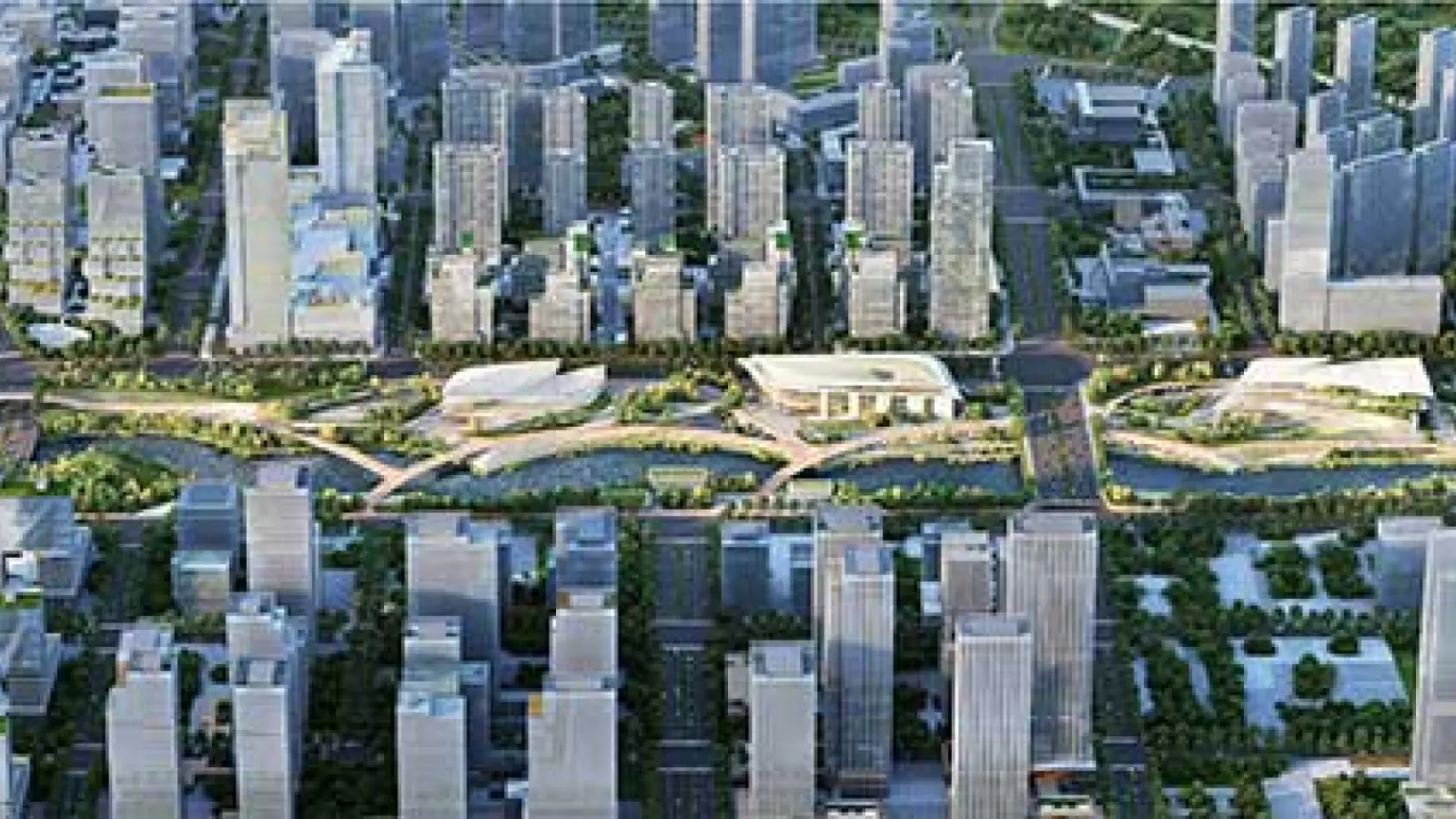
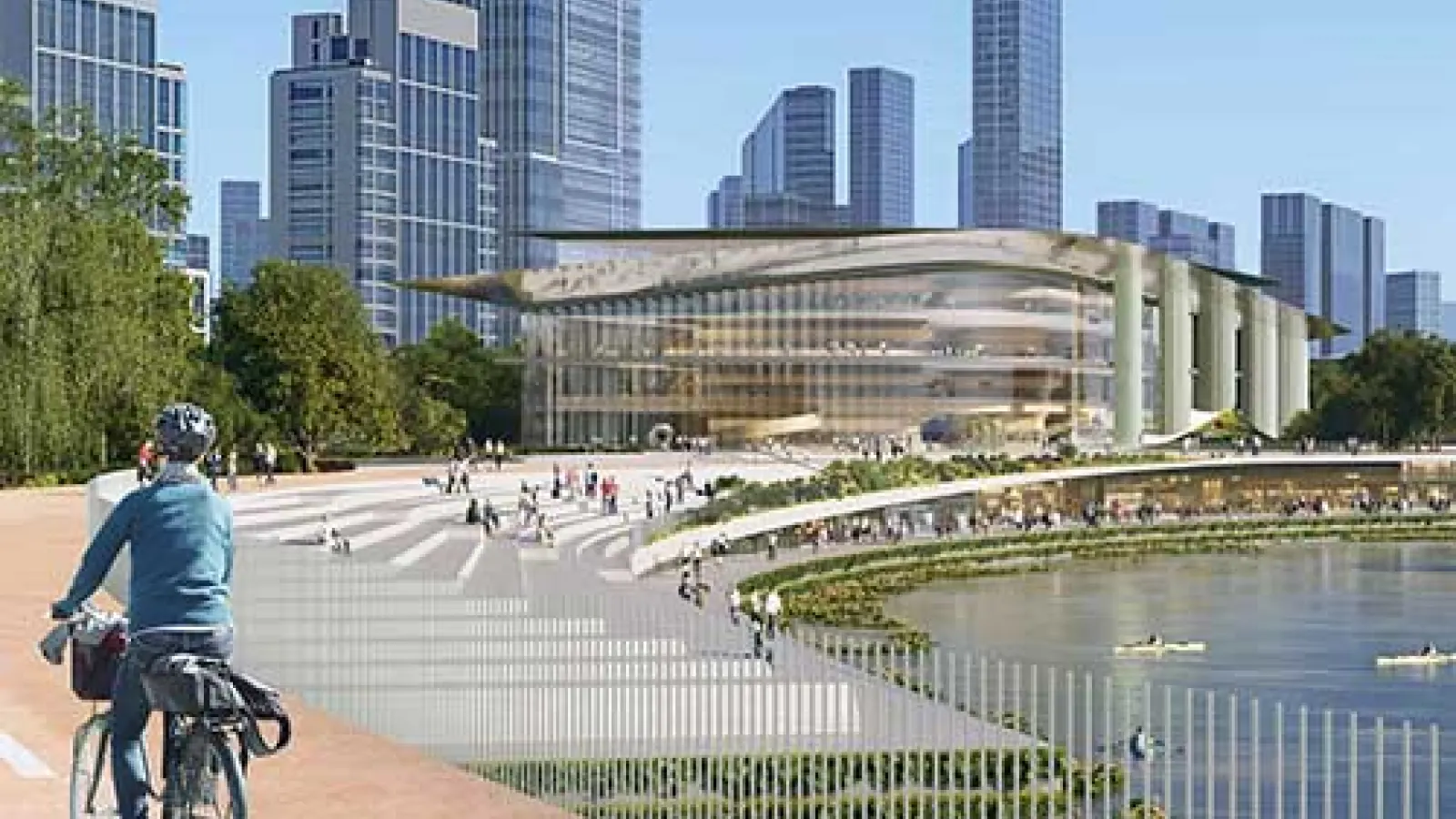
Zaha Hadid Architects (ZHA) has unveiled plans for the Qiantang Bay Cultural District in Hangzhou, China, a landmark urban regeneration project that will transform the industrial canal basin of the Xiaoshan district into a vibrant cultural, educational, and ecological corridor. Positioned along the historic Zhedong Canal, the Qiantang Bay Central Water Axis is envisioned as a continuous green spine that integrates public spaces, cultural institutions, and climate-responsive urban infrastructure.
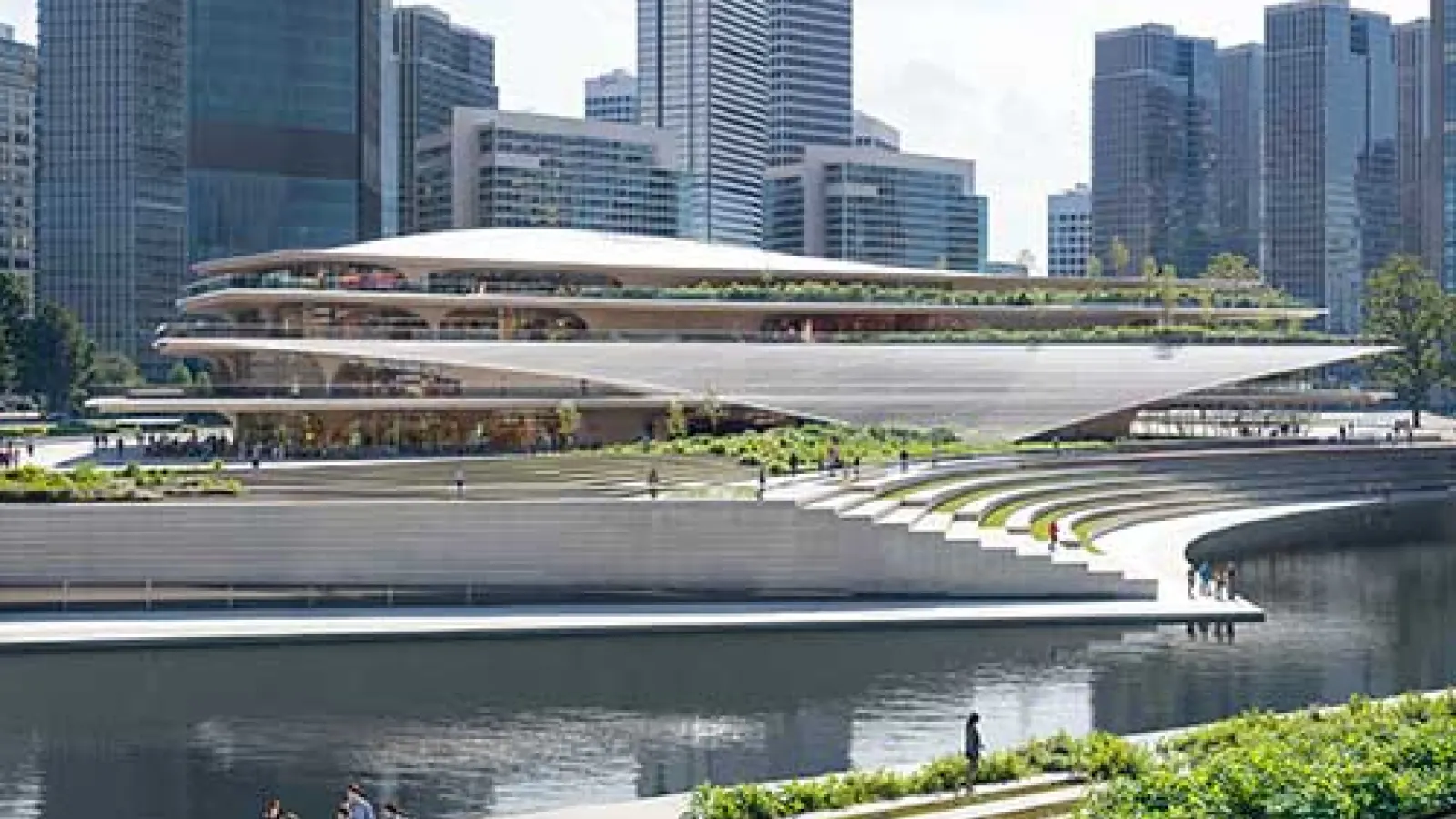
The development reimagines former industrial landscapes as an interconnected network of landscaped parklands, terraces, and gardens, creating a new civic destination that enhances the relationship between the city and its waterways. The canal-side setting will feature a series of public plazas, promenades, performance areas, and recreational spaces designed to activate the waterfront and encourage community interaction.
A defining aspect of the masterplan is its strong emphasis on connectivity. A network of pedestrian bridges and pathways will link both sides of the canal, integrating surrounding urban districts with the new public gardens and civic spaces. This creates a seamless pedestrian experience while strengthening the district’s role as a social and cultural connector within Hangzhou’s evolving urban fabric.
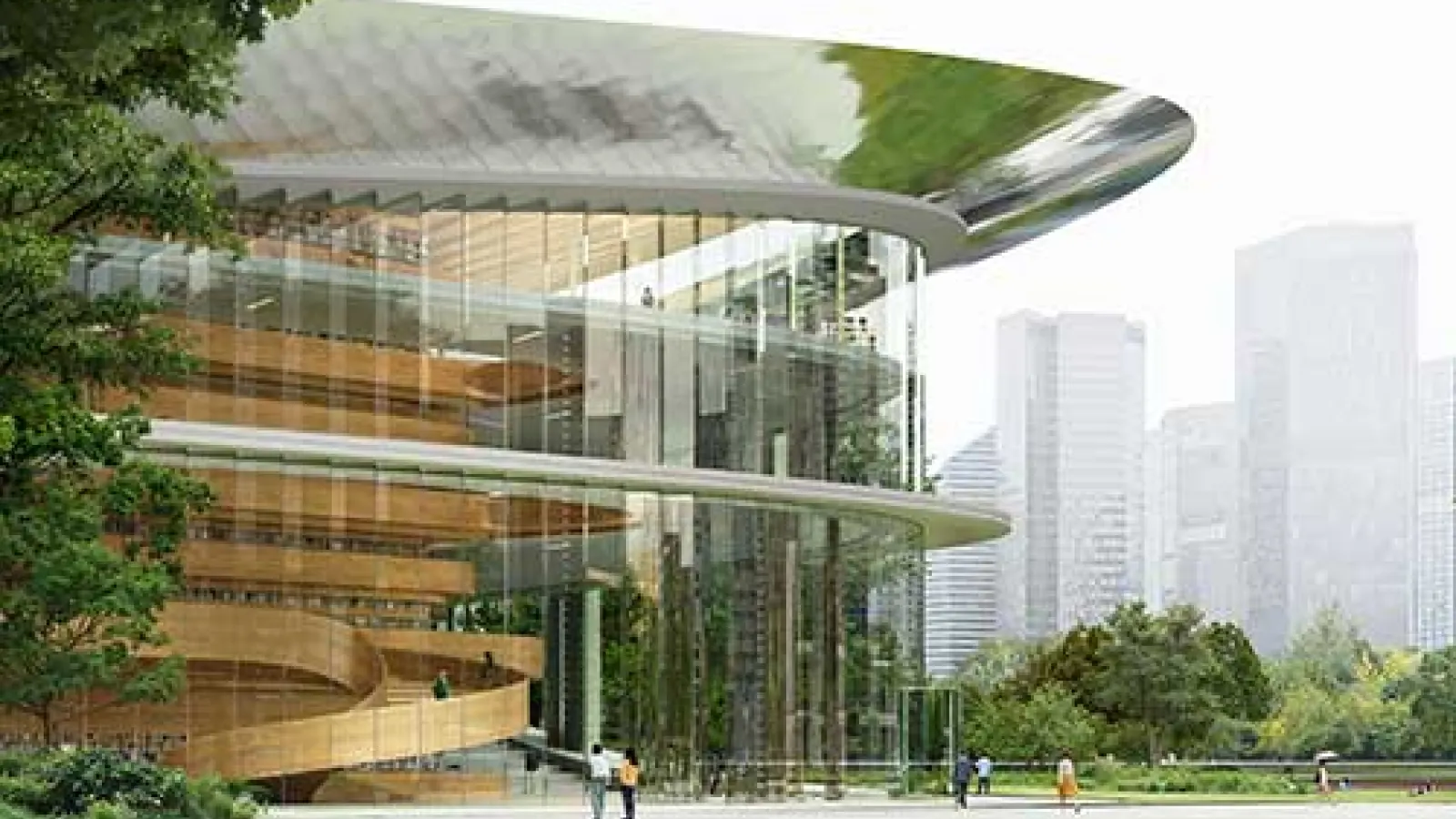
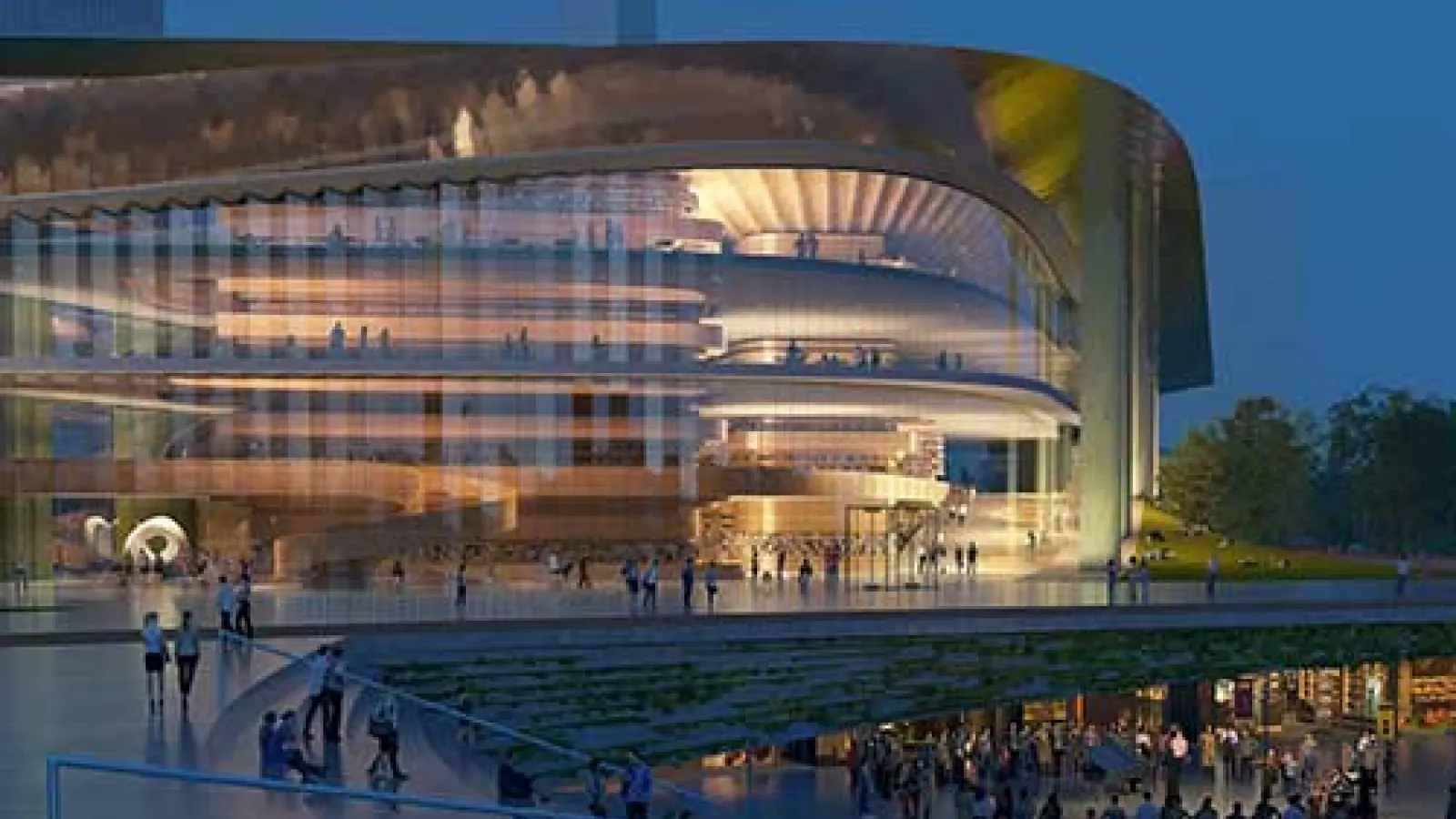
At the heart of the new cultural district is a landmark library designed by Zaha Hadid Architects. The library’s architecture is defined by a series of inhabitable structural columns, conceptualised as “stones of knowledge,” which form both the building’s structural framework and its spatial identity. These architectural elements will house extensive literary collections, archives, reading rooms, and community engagement spaces, transforming the building into an immersive public institution dedicated to learning and knowledge exchange.
The design draws inspiration from the region’s 5,000-year-old jade craftsmanship heritage. Reflecting this cultural legacy, the library façade will be clad in precision-crafted masonry tiles inspired by the tonal richness and textures of jade. Folded glass elements integrated into the façade will diffuse natural light throughout the interiors, creating a soft and luminous reading environment while maximising daylight penetration deep into the building.
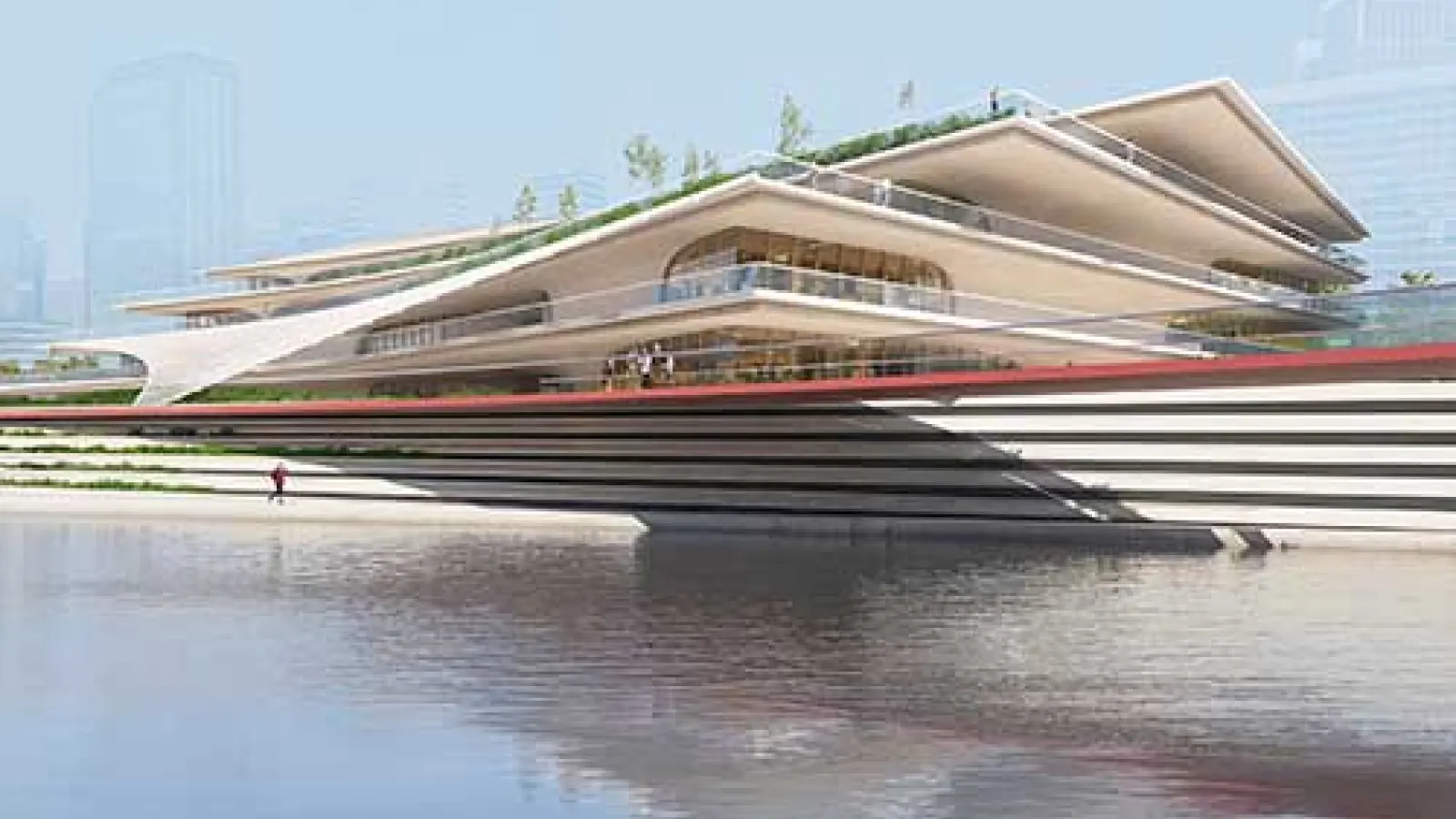
Complementing the library is the International Youth Centre, another key cultural anchor within the district. Designed as a dynamic collaborative hub, the centre will offer spaces for students, creatives, and visitors to meet, engage, and innovate. Its geometric architectural composition is shaped by its waterfront setting, while its interiors feature interconnected auditoriums, studios, seminar halls, exhibition galleries, conference facilities, and performance venues.
The Youth Centre extends its programme outdoors through terraces overlooking the canal, creating flexible public spaces for events, social gatherings, and civic interaction. This integration of indoor and outdoor programming reflects ZHA’s commitment to creating fluid, adaptable public environments.
Sustainability is deeply embedded into the project’s design strategy. Responding to local ecological conditions and climate patterns, the development incorporates energy-efficient building systems, passive environmental design measures, and on-site renewable power generation to reduce operational energy demand.
The wider landscape forms part of Hangzhou’s sponge-city infrastructure—a critical urban resilience strategy aimed at managing flood risks and improving water retention. The Qiantang Bay Central Water Axis incorporates permeable paving, planted bioswales, rain gardens, and water-retention features to absorb and manage stormwater naturally, reducing pressure on drainage systems and improving urban ecological performance.
This sustainable landscape framework not only strengthens flood resilience but also contributes to biodiversity, urban cooling, and long-term environmental health, making the district a model for low-impact, climate-responsive urbanism.
The Qiantang Bay Cultural District reflects Zaha Hadid Architects’ integrated design philosophy—where architecture, landscape, infrastructure, and sustainability work together to shape future-ready civic environments. By transforming a former industrial zone into a thriving cultural and ecological destination, the project will redefine Hangzhou’s canal-side urban identity while setting a new benchmark for regenerative urban development in China.
.jpg)
.png)
-preview.webp)
-preview.webp)
-preview.webp)
-preview.webp)
-preview.webp)