





The Roofs We Raise: Craft, Climate and Culture in Architecture
The Roofs We Raise
"A roof is the first architectural gesture that rises to meet the sky."
Across time and terrain, roof construction has meant more than protection from the elements. It embodies care, cultural identity, and spatial dignity—a lasting symbol of belonging.
As an architectural element, the roof mediates between human scale and the sky. In its highest expression, it becomes a conversation with the cosmos—its metaphysical parent the boundless, sheltering sky. To build a roof is not merely to block sun or rain, but to mediate between the terrestrial and the celestial.
Abhikram: Philosophy of Responsible Architecture
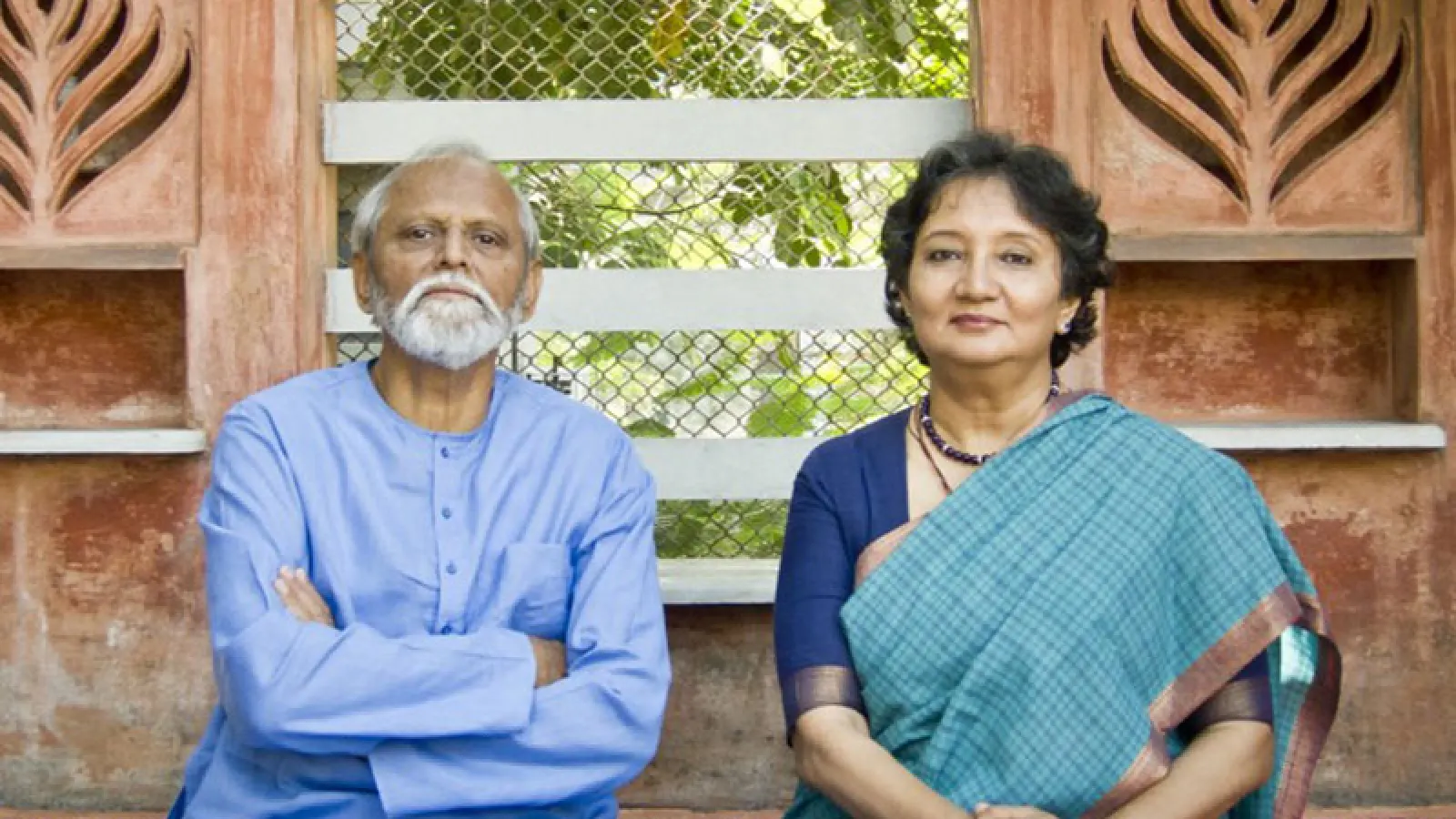
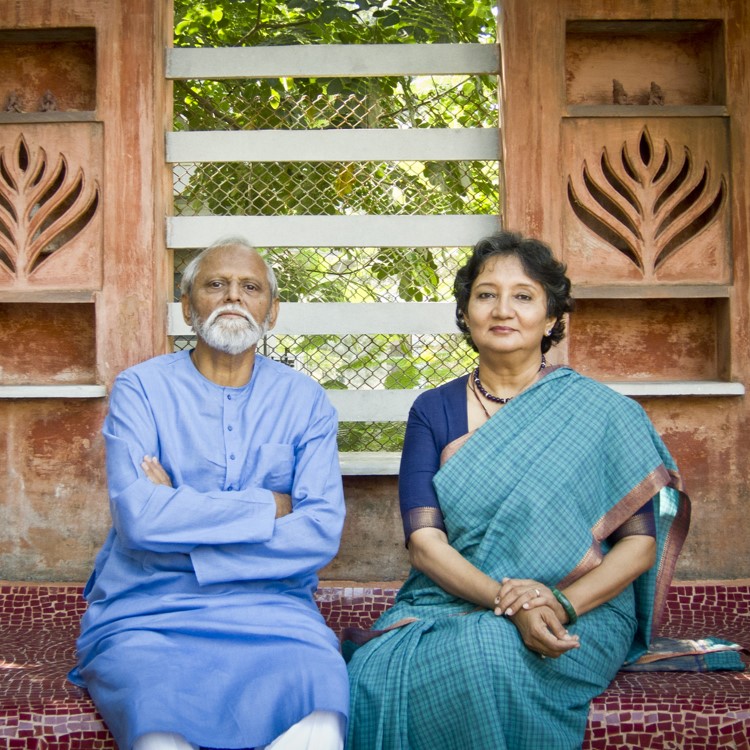
Abhikram (Sanskrit for initiation) is a planning, architecture, interior, and conservation consultancy founded in 1979 by Parul Zaveri and Nimish Patel.
For over 45 years, the practice has pursued responsible architecture rooted in:
- Sustainability
- Traditional construction methods
- Low embodied energy materials
- Indigenous craftsmanship
- Cultural heritage conservation
- The firm’s design approach emphasizes:
- Local and recyclable materials
- Revival of indigenous knowledge systems
- Collaboration with traditional craftsmen
- Context-driven architecture
Two foundations support this work:
Virasat Foundation
Research on traditional knowledge, materials, and technologies.
Kanineeka Foundation
Promotes holistic living, education, and alternative healing systems.
Traditional Wisdom in Roof Design
Ancient Indian architectural texts provide detailed climatic guidance for roof construction.
Mānasāra (Residential Architecture Treatise)
शीघ्रीष्मुष्ये तीत्ये छायां चात्रै कुर्याति घर्षेषु छायां यान्त्र्ये शाल्येषु प्रज्ञेयुः
In hot regions, deep projecting eaves should provide shade; in rainy areas, sloped tiled roofs are recommended.
Mayamata (South Indian Agamic Text)
जलप्रदेशे निर्मलानां श्लान्त्रणानुक्रा छद्दा भवेति ।
Where rainfall is abundant, roofs should be steep and well-drained. In arid lands, flat terraces are appropriate.
These prescriptions remind us that roof form must respond to climate and context rather than universal design trends.
Examples across India:
- Kerala: steep tiled roofs for monsoon protection
- Kutch: low conical bhunga roofs for earthquake resilience and thermal comfort
Roof as Cultural Expression
Roof forms also carry symbolic meaning.
- Temple Shikhara – axis between earth and the divine
- Domes and Chhatris – authority and ceremonial spaces
- Verandah roofs – everyday life and social interaction
The Samarāṅgaṇa Sūtradhāra advises:
छत्रं यथास्थानं कार्यं लोकशोभाय च स्मृतम् ।
The roof must be positioned with purpose — for the delight and dignity of people.
Key Projects Demonstrating the Philosophy
Tree of Life Resort, Jaipur (2007–2011)
A cluster of domed villas creates a man-made skyline that complements surrounding hills.
Highlights:
- Lime mortar construction
- Random rubble stone masonry
- Built without cement or structural consultants
- Domes formed on mud-based formwork
- Villas named after flowers
- Spatial features:
- 3.6 m dome over bedrooms
- 1.8 m dome over bathrooms
- Central courtyard fountains
Aam Niwas, Jaipur (1985 onwards)
An exploration of material innovation rooted in tradition.
Key techniques:
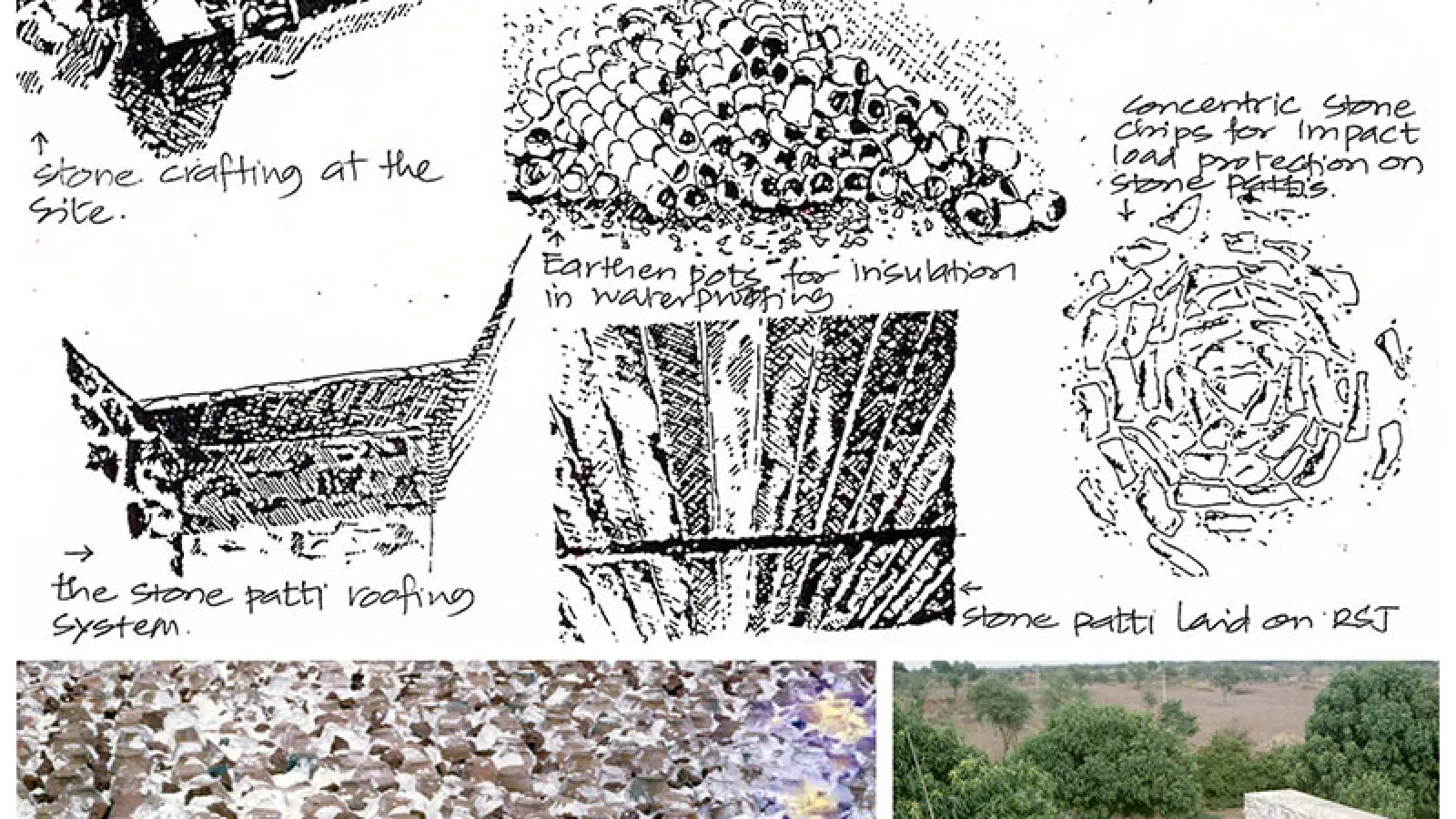
- Stone patties spanning 4 m
- Bracket-supported roof slabs
Waterproofing mix of:
- Lime
- Gur (jaggery)
- Methi (fenugreek)
- Stone chips reinforcement
- Inverted kullads for insulation
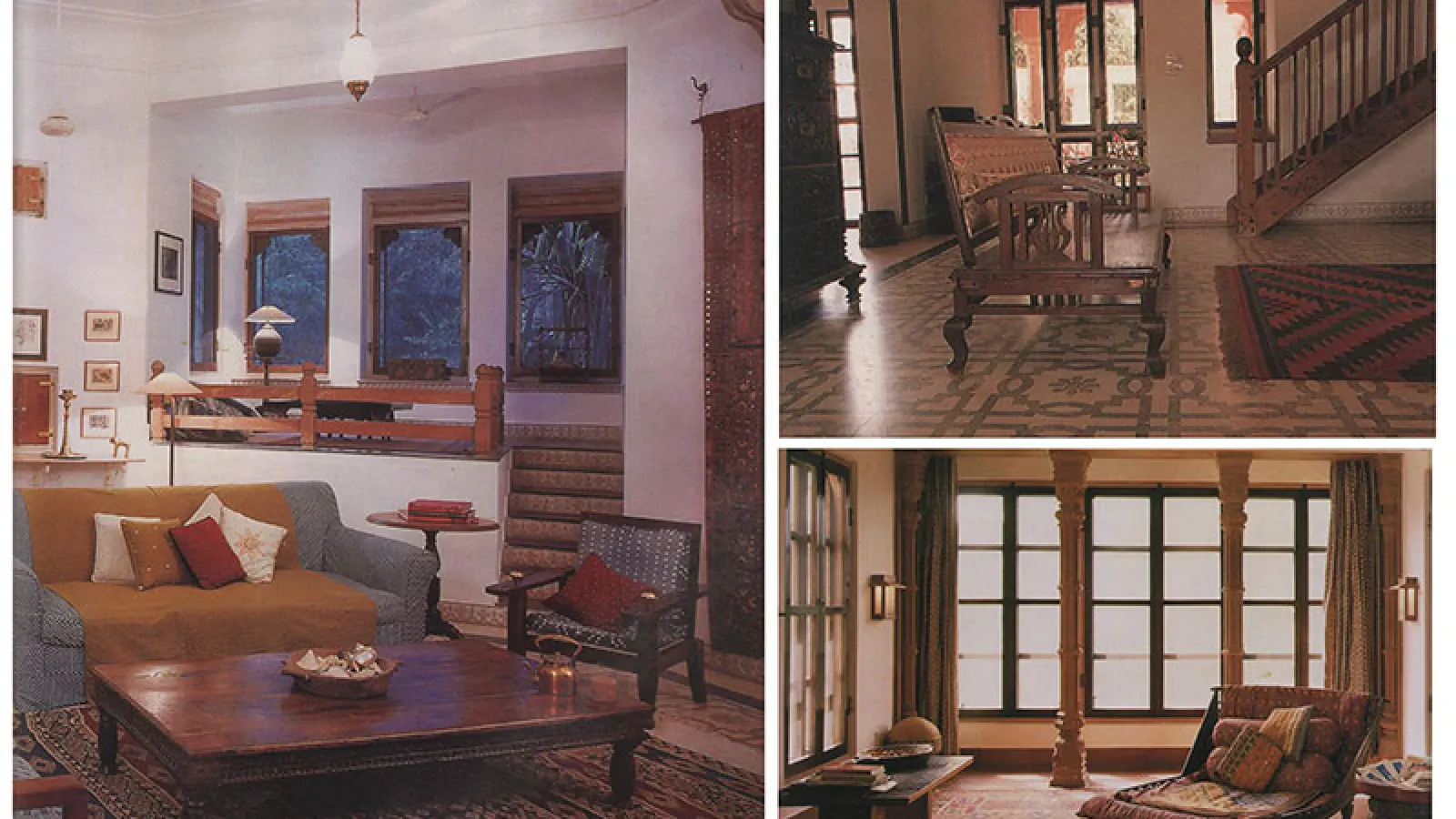
- Interior craft features:
- Jharokhas and jalis
- Hand block printed fabrics by Anokhi
- Patterned terrazzo tiles
Balprasoon School, Ahmedabad (1980)
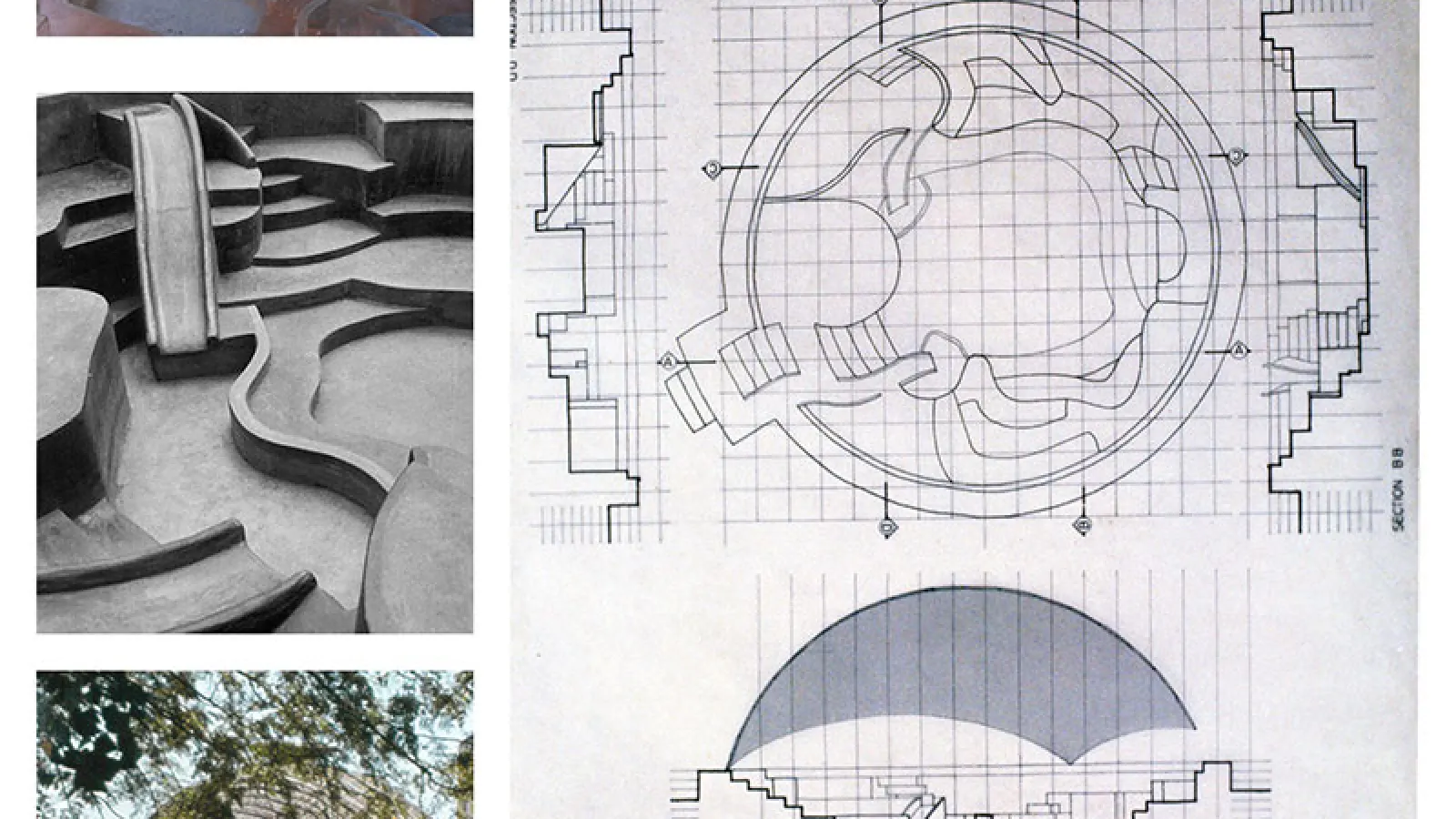
A playful nursery classroom where the roof becomes part of the learning environment.
Features:
- Lightweight geodesic dome
- Metal tube frame
- Plastic sheet + bamboo mat covering
- Sunken multi-level play pit
- The structure also supports:
- Swings
- Ladders
- Hammocks
A continuous ventilation gap between dome and ground enables natural cooling.
The Celebration Mall, Udaipur (2012)
A contemporary reinterpretation of palace architecture.
Project features:
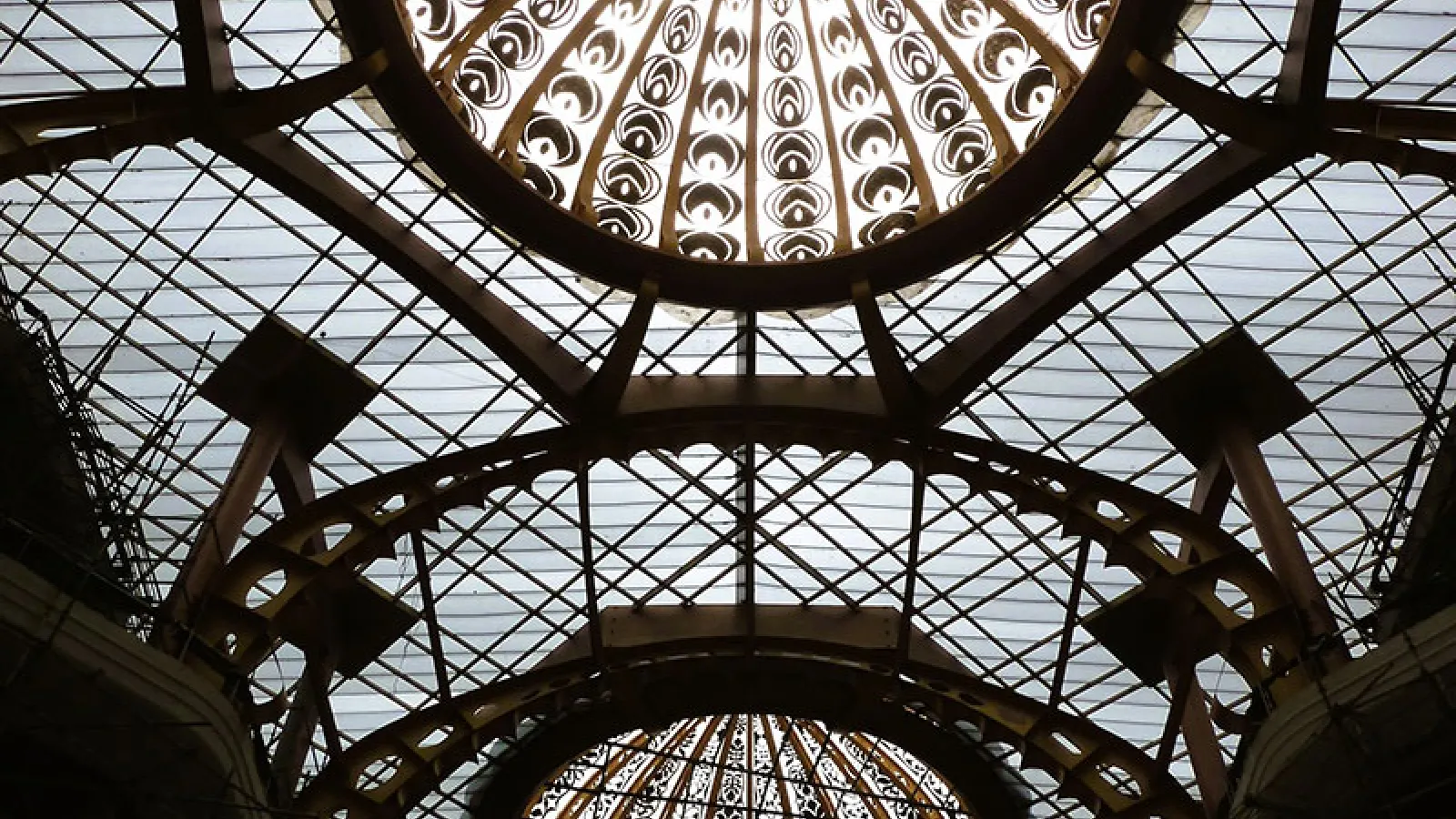
- Mewari-style domes in steel and fiberglass
- Five retail floors and two basement levels
- Daylight filtering through atrium domes
- Elephant-trunk shaped steel I-sections
- Interior ceilings showcase:
- Hand-painted flora and fauna
- Work by local artisans
Mud House, Ahmedabad (1995)
Inspired by Kutchi bhunga dwellings.
Construction:
- Sun-dried earthen blocks
- Bamboo and wood roof framework
- Mud-packed structure
- Thatch for insulation
- Interior decoration includes:
- Kutchi mud work
- Mirror inlay craft
Achalayatan (2006–2010)
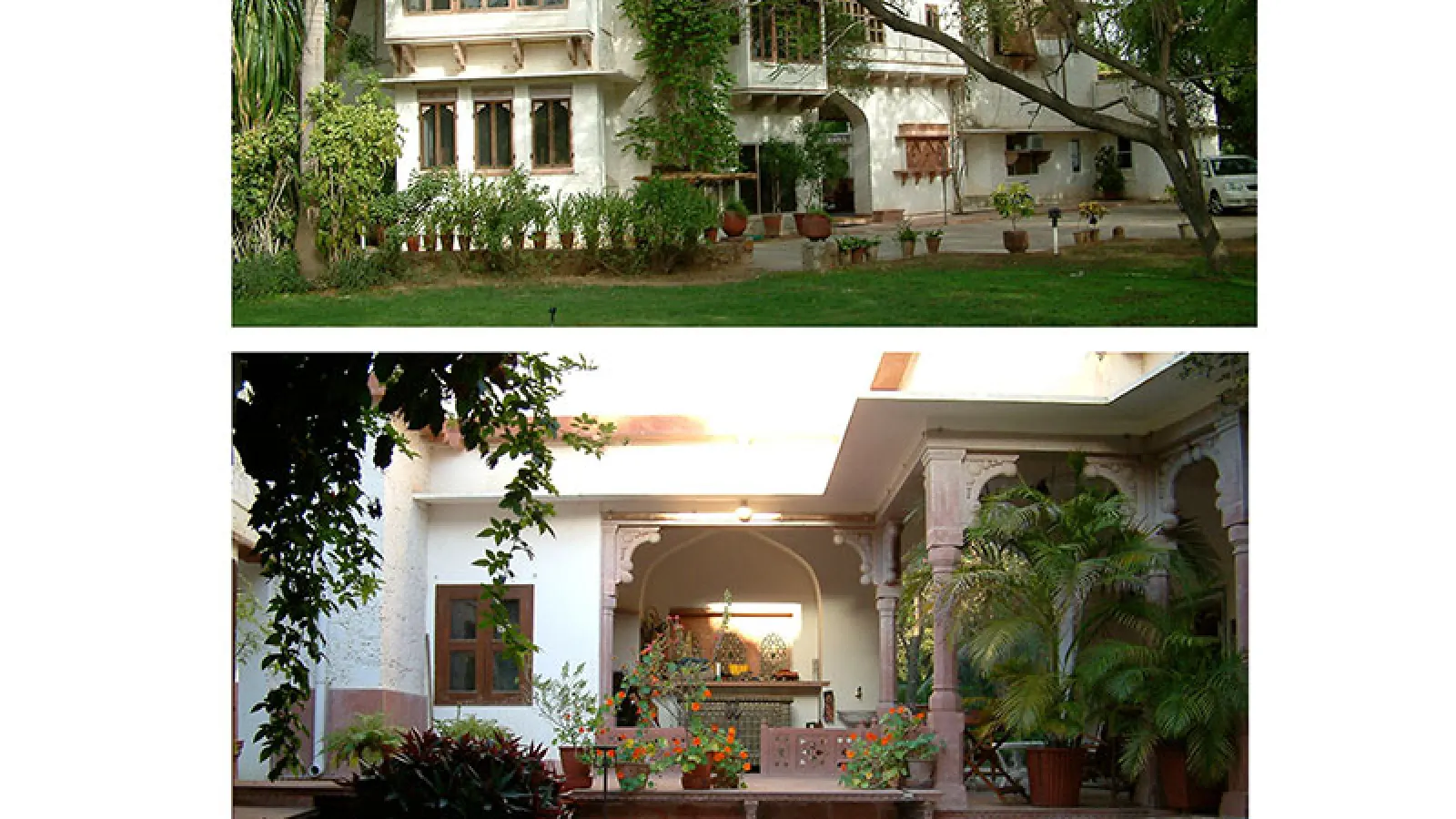
A conservation and adaptive reuse project where architecture coexists with nature.
Key features:
- 129 fruit trees preserved
- Tree branches pass through verandahs and roofs
- First floor roof made entirely of Valsadi teak
- Roof layers:
- Waterproof ply
- Tar felt
- Mangalore tiles
The project minimizes RCC and preserves the historic architectural character.
Udaivilas, Udaipur (1989–2002)
Domes and chhatris become a dialogue between past and present.
Inspired by the City Palace of Udaipur, the project uses:
- Onion-shaped domes
- Garlic domes
- Petal bases and finials
- Structural approach:
- Reinforced concrete cores
- Brick shaping
- Traditional Ghutai lime plaster
- Ghutai mix includes:
- Stone powder
- Egg white
- Tamarind
- Turmeric pigment
- Interior domes feature:
- Vegetable dye frescoes
- Gold leaf
- Mirror thekri work
These domes create a skyline echoing Mewar’s historic architecture.
Conclusion
From lime domes built without drawings to steel-framed canopies filtering daylight, Abhikram’s journey reveals a simple truth:
The roof is never just overhead cover.
Each roof rises in dialogue with:
- Climate
- Context
- Craft traditions
- Cultural memory
Ultimately, the roofs we raise are not merely structural elements—they are stories shaped by the hands of artisans, the wisdom of tradition, and the aspiration to create meaningful shelter under the open sky.
Acknowledgement
This paper has been prepared with research assistance from:
Ar. Priya Ramakrishnan
(Conservation Architect)


-preview.webp)

